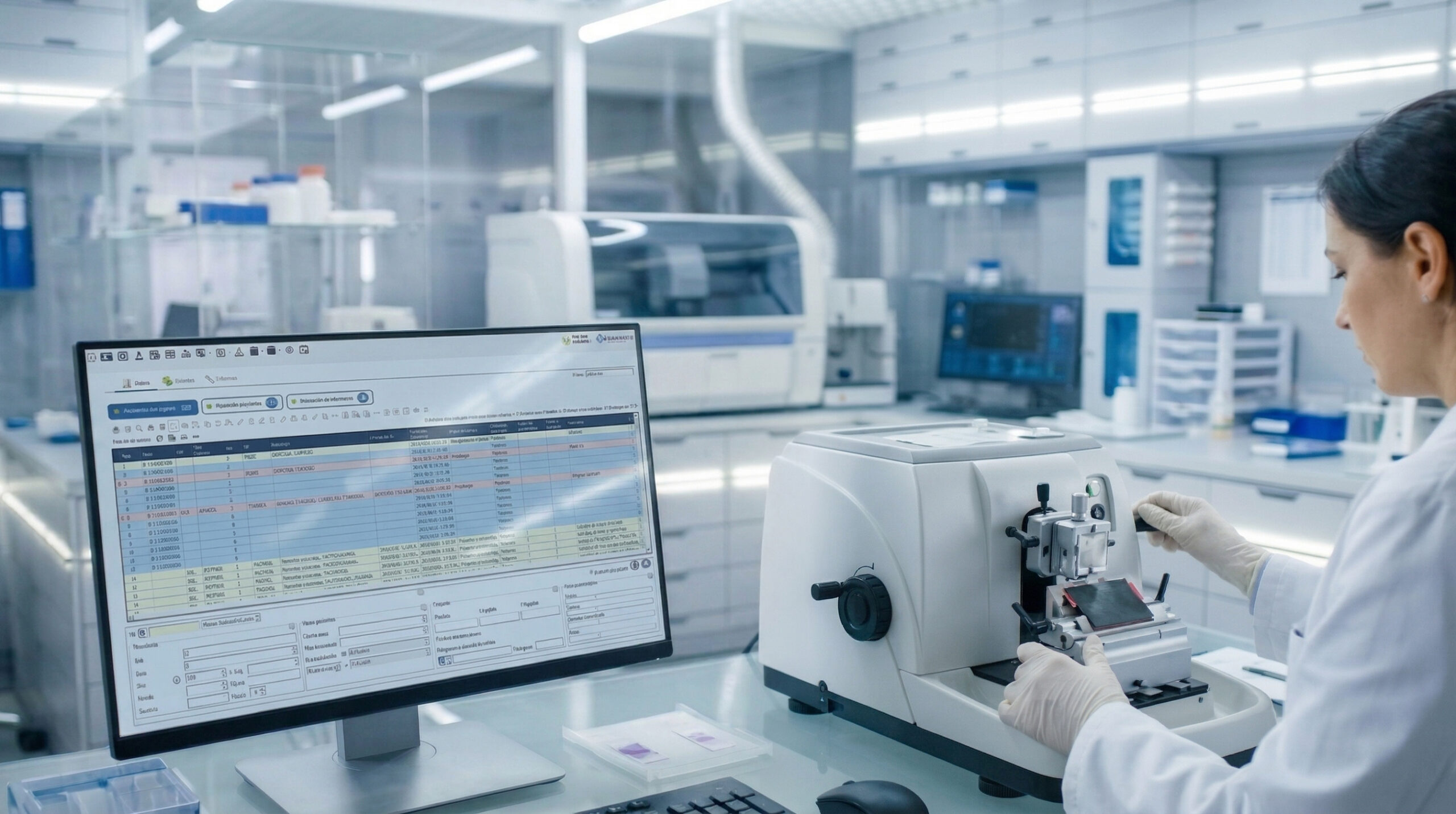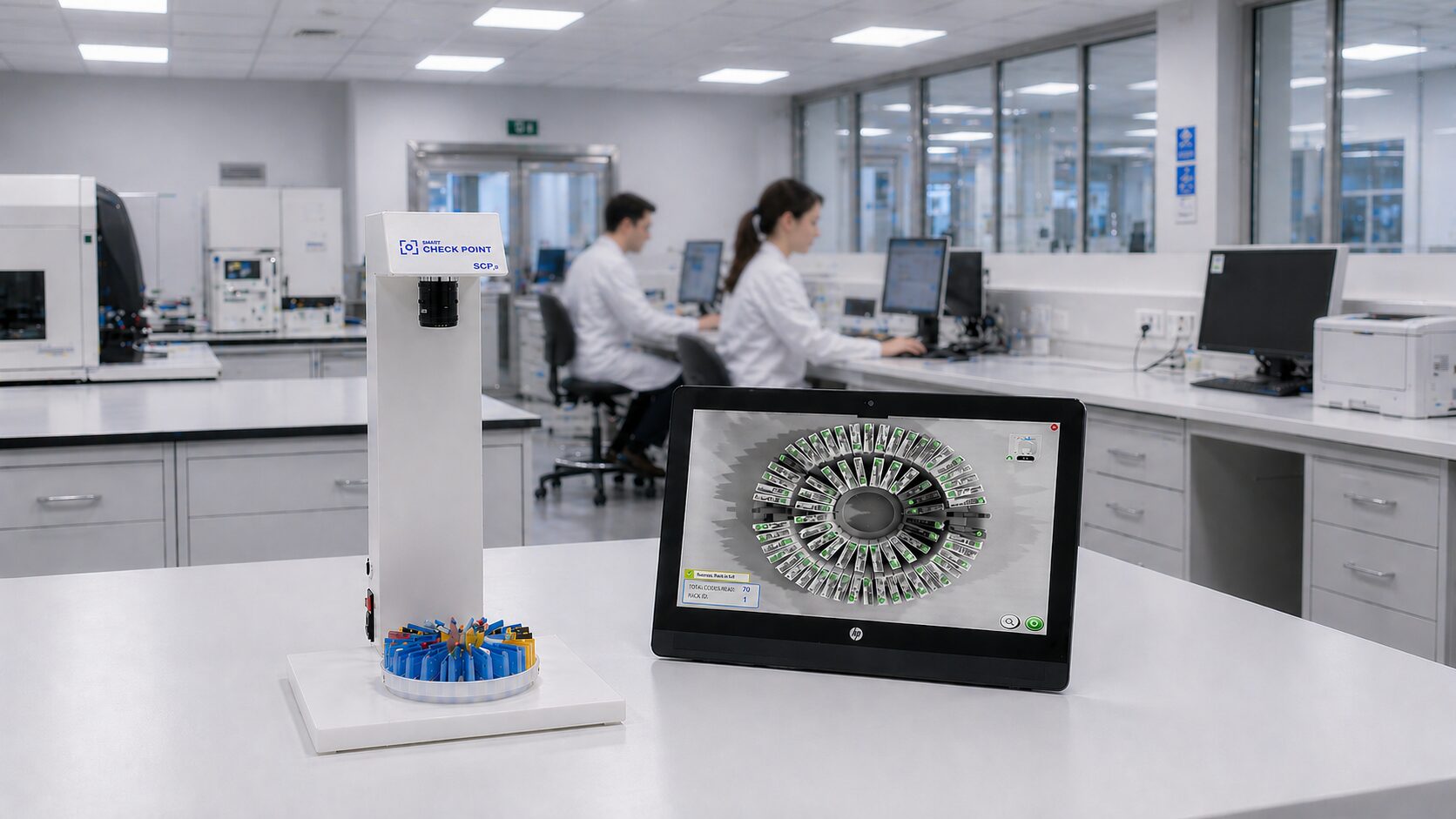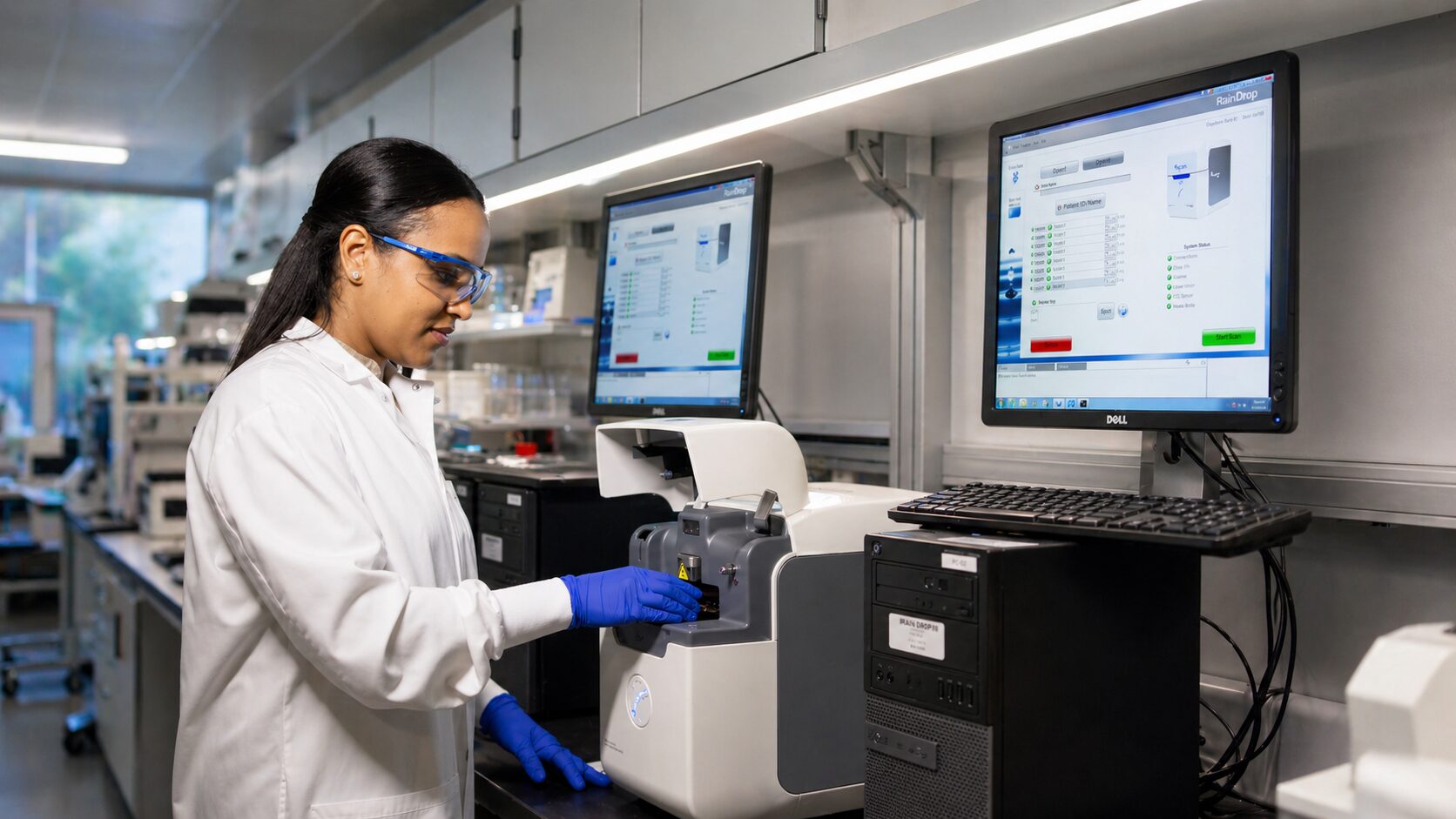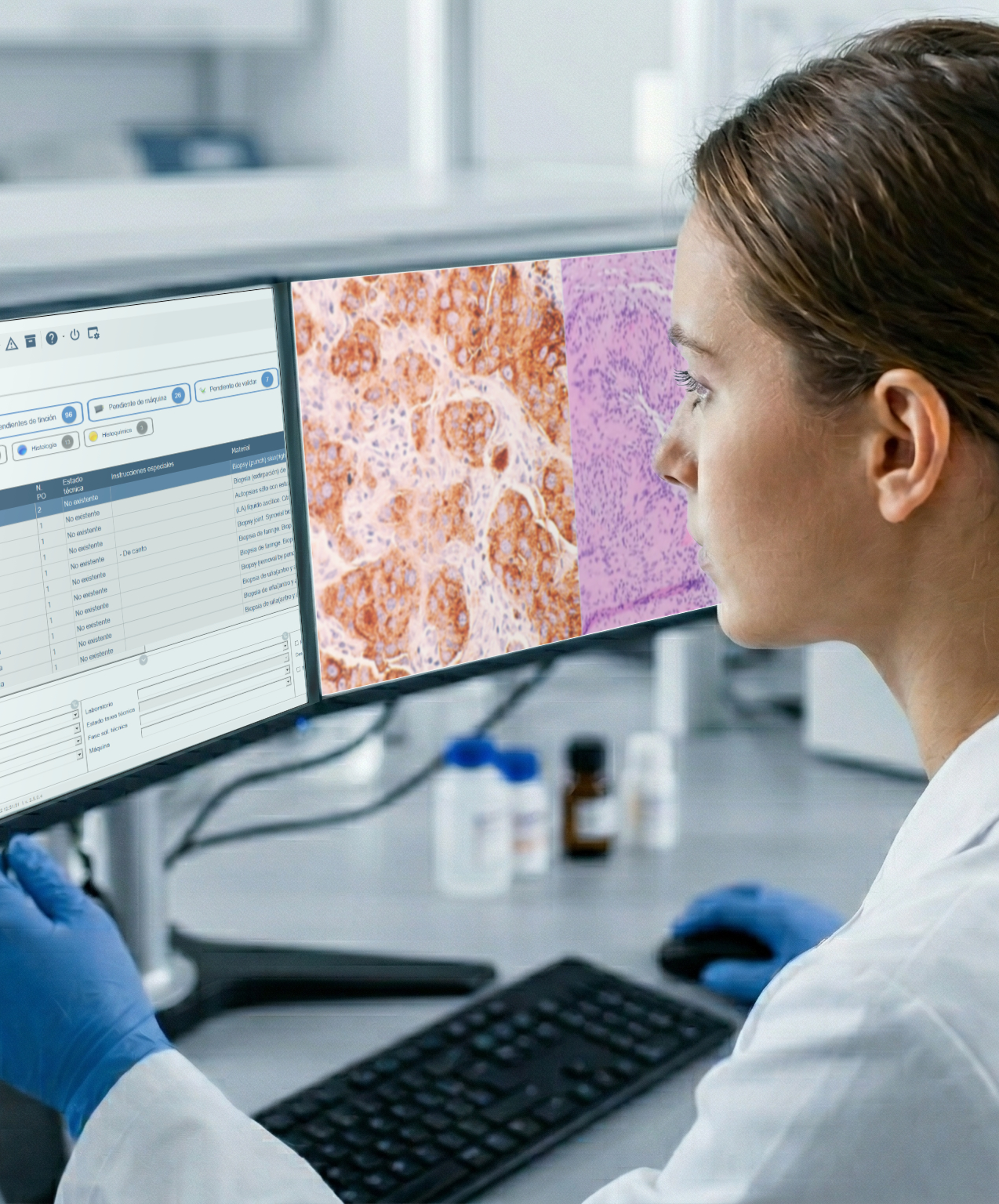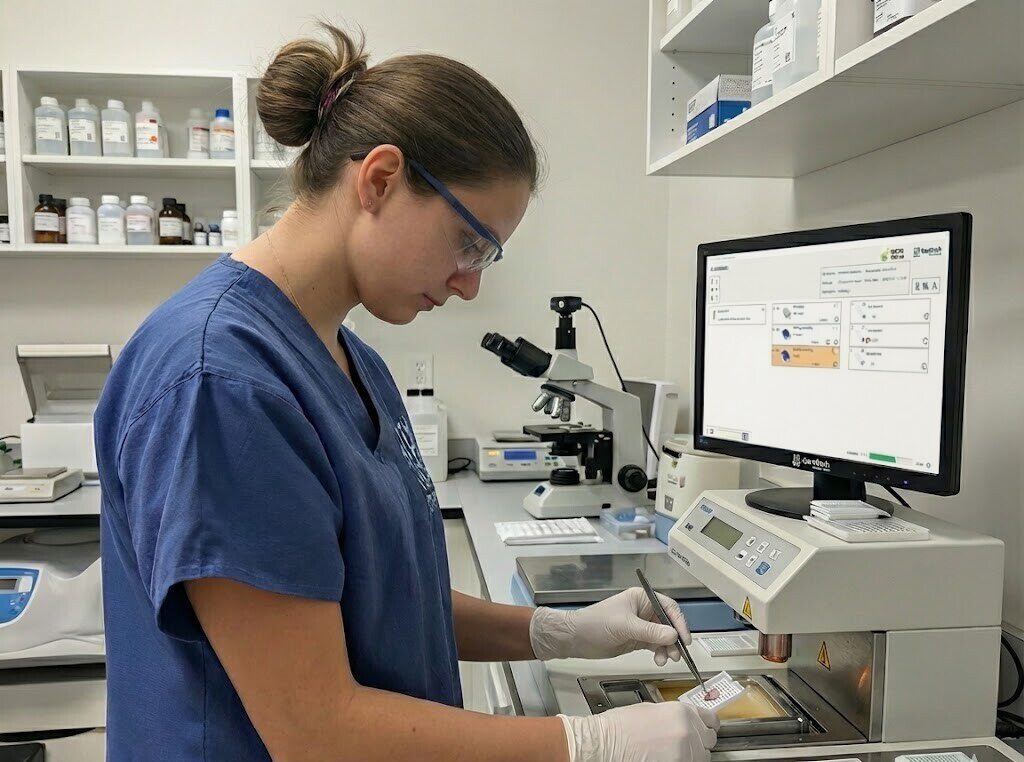
In this article, we explore the key responsibilities of Anatomical Pathology Specialist Technicians (Histotechnicians), also known as histology laboratory technicians or medical technologists, and how a laboratory information system (LIS) can be tailored to support and optimize their work.
Histotech’s play a vital role in the laboratory, ensuring that each sample moves through every required stage with precision and quality.
From gross examination to staining, Histotech’s are responsible for critical processes that require technical skills, organization, and attention to detail.
Today, laboratories face major challenges, including:
These advances not only optimize workflows, but also create new opportunities for Histotech’s in areas such as gross examination and end-to-end process management.
In this context, a laboratory information system (LIS) is a key ally for technicians, guiding them through each step of the workflow and helping them quickly adapt to the demands of modern laboratories.
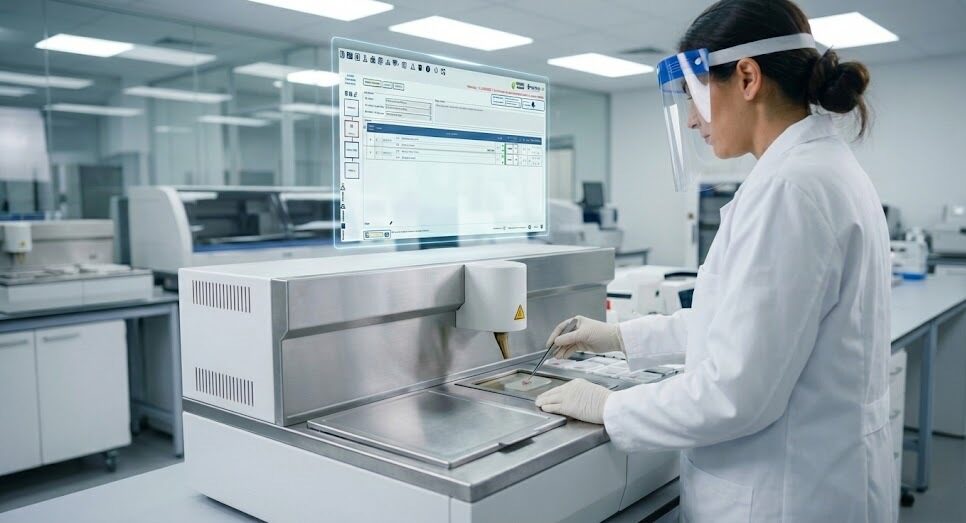
As the primary users of the LIS, TEAPs need a system that makes their daily work easier and helps them get the most out of new technologies.
Some of the features technicians value most include:
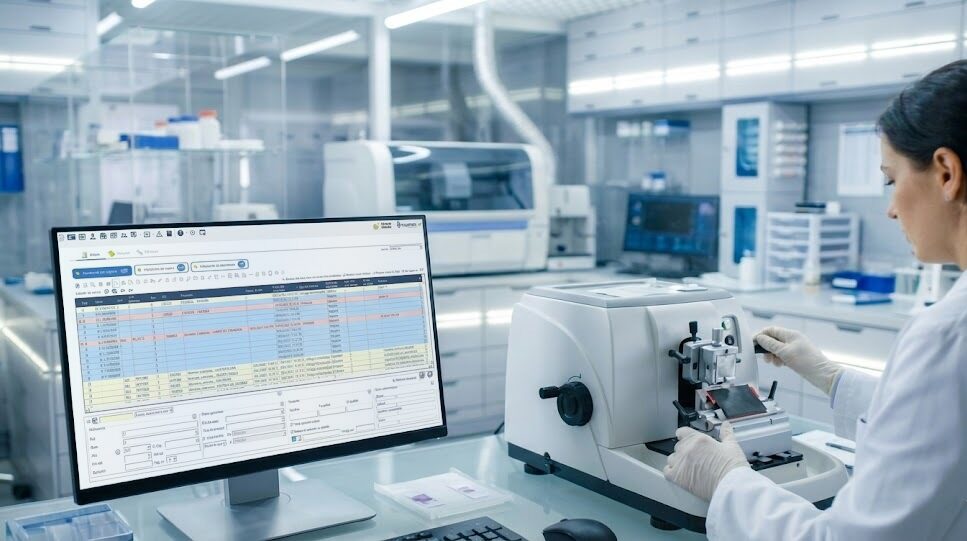
Implementing an LIS streamlines Histotechnicians day-to-day work while also providing the tools they need to adapt and excel in an environment of constant technological change.
Key benefits of an LIS include:
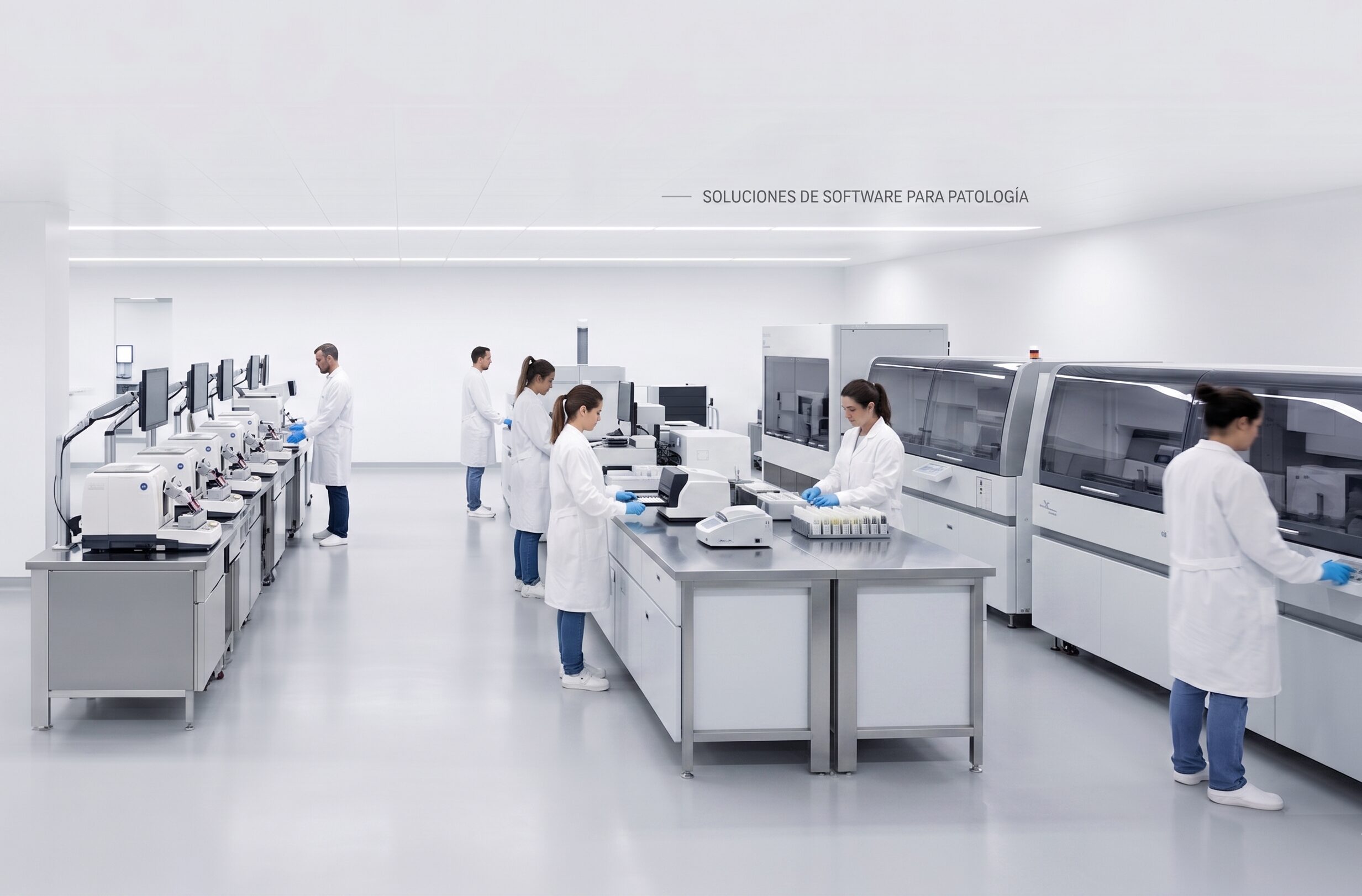
Drawing on our experience as laboratory software developers, we work closely with pathology technicians at every stage of the LIS lifecycle:
Implementation: during training and system go-live, we work side by side with laboratory technicians to ensure they understand and make the most of every software feature.
Ongoing support: our support team is in regular contact with pathology technicians, providing assistance and solutions tailored to their needs as primary users.
Our team includes five specialist histotechnicians whose knowledge of day-to-day laboratory work enables us to design solutions that are more closely aligned with the realities of the sector. And as our operations continue to grow, we expect to bring more histotechnicians into the team in the future, strengthening our ability to understand and meet laboratory needs.
Although the decision to implement an LIS usually lies with pathologists or IT managers, it is essential to take into account the needs of histotechnicians, who account for up to 70% of daily interactions with these systems. An LIS that acts as both a guide and a support tool not only improves their experience, but also enables laboratories to adapt quickly to technological change.
“What do you think? Do you believe an LIS can make a difference in day-to-day laboratory work? We’d love to hear your ideas and experiences so we can keep improving together.”





Live pitch Esblada Medical: Patología Digital Multicéntrica
Oct. 23 · 12:20 PM